

Home / About
Christmas Traditions
Christmas is full of traditions that seem as though they’ve been around forever. Decorating a tree, hanging stockings, exchanging gifts and leaving out cookies for Santa are all a big part of the festive fun. But where did these customs come from, and how did they become such an important part of the holiday? As it turns out, Christmas has picked up plenty of new ideas over the centuries, from royal family photos to a certain red-suited gentleman with a very busy schedule.
Origins
Christmas celebrates the birth of Jesus, although the Bible doesn’t give us an exact date for his birthday. By the fourth century, Christians in Rome were celebrating it on December 25, and the date then eventually became the standard across most of the Christian world.
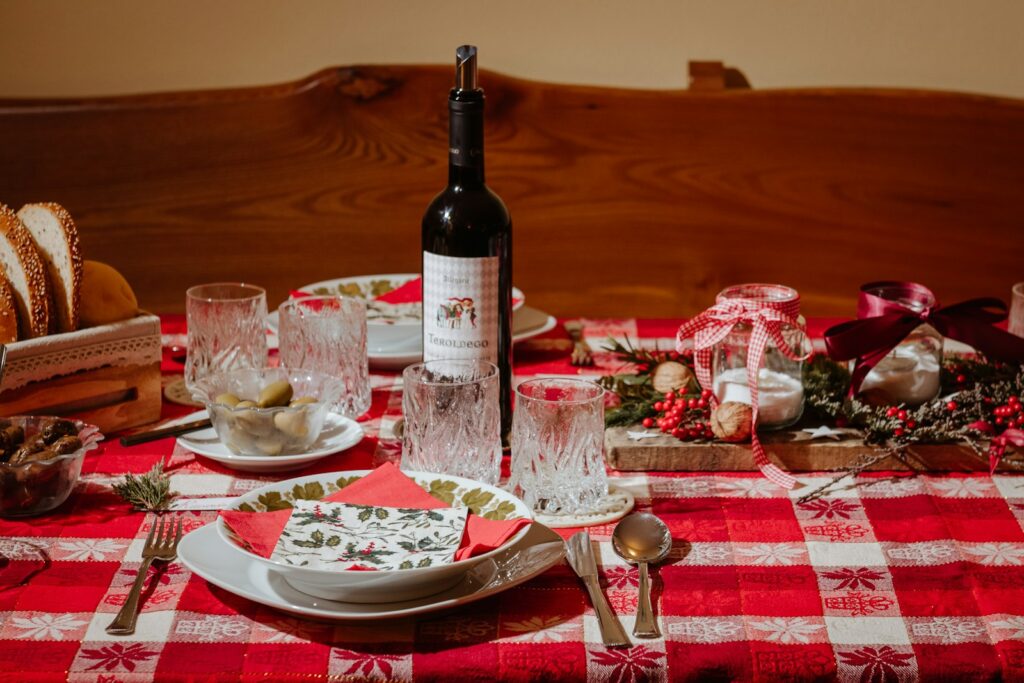
Winter celebrations were already popular in ancient Rome, where people enjoyed feasts, gifts and time off during the festival of Saturnalia. Christmas developed in its own way, but the idea of celebrating together in the middle of winter has certainly stood the test of time. Some things never change: a hearty meal, a few gifts and a reason to take a break are hard to beat.
The Christmas Tree
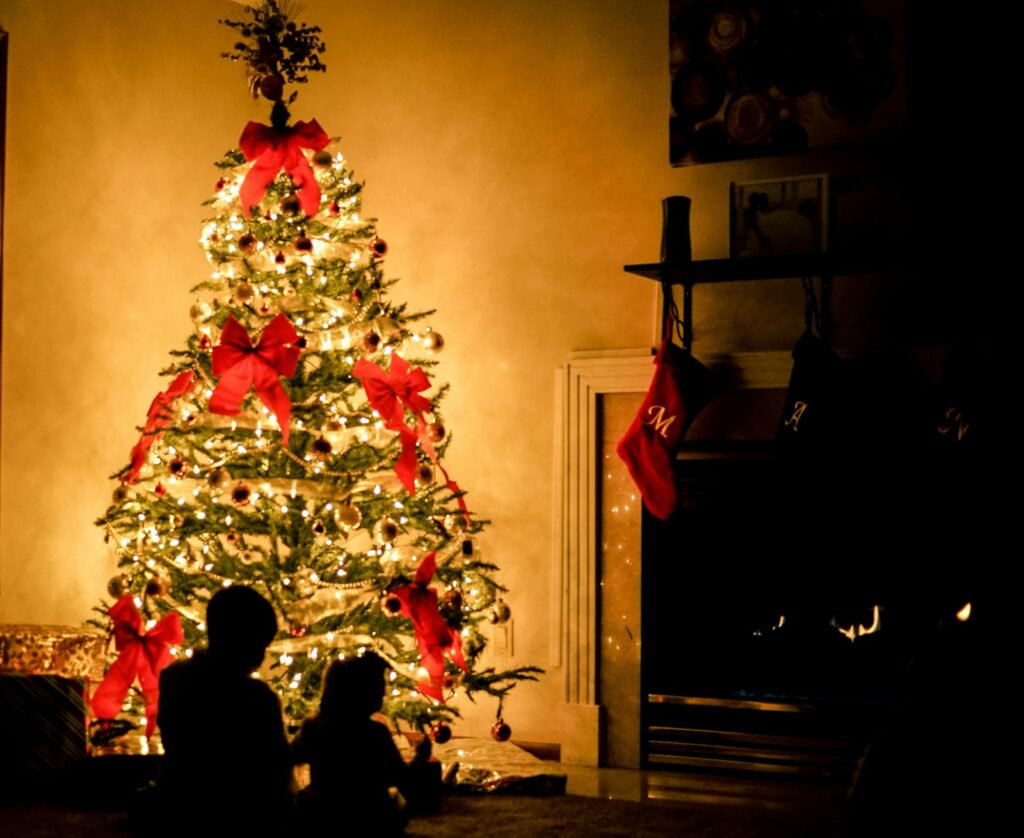
Ever wondered why we bring trees indoors at Christmas? The custom grew out of a German tradition, where families began decorating evergreen trees for the holiday. During the nineteenth century, it spread to Britain and later became popular in America.
One big boost came in 1848, when an illustration of Queen Victoria, Prince Albert and their children gathered around a Christmas tree was published in a British newspaper. The royal family looked so festive that plenty of people wanted to copy them. It was essentially the nineteenth-century equivalent of seeing a celebrity’s Christmas decorations on social media and deciding your own living room could use an upgrade.
Today, Christmas trees come in every shape and size, from enormous displays in town squares to little artificial trees squeezed into apartment corners. Whether you prefer colourful lights or a perfectly coordinated theme, the idea is the same: make the place feel a little more magical.
Season's Greetings
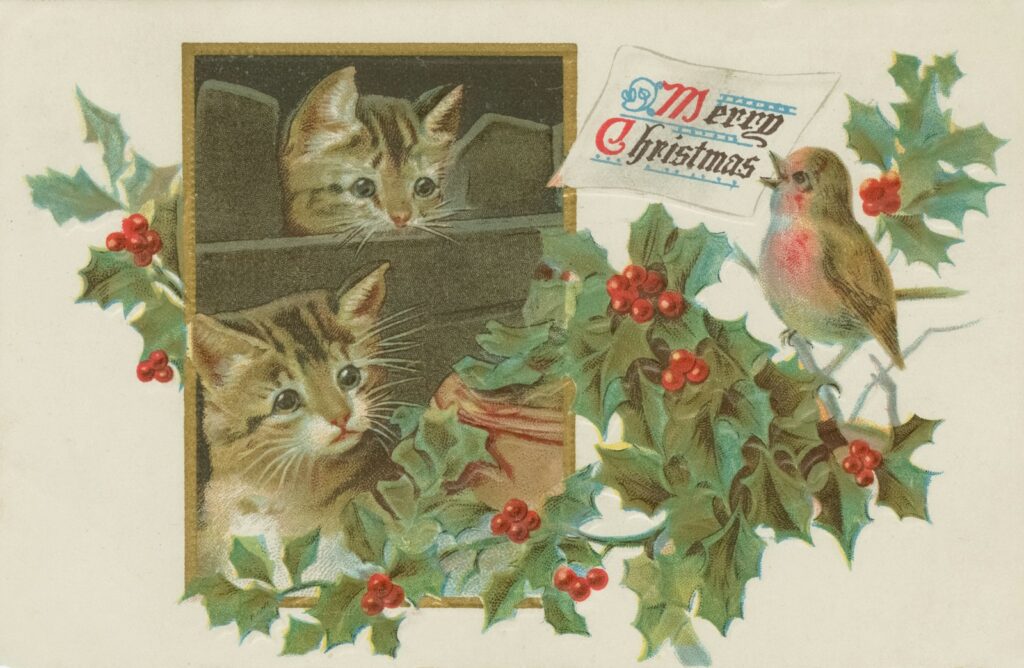
Before texts, emails and group chats, there were Christmas cards. The first commercial Christmas card was commissioned in England in 1843 by a man named Henry Cole. It showed a family celebrating together, alongside images of people helping those in need.
The idea caught on, and Christmas cards soon became a popular way to send good wishes to friends and family. When postage became cheaper, sending cards grew even easier, and the tradition spread across the Atlantic.
These days, some people send beautifully printed family portraits, while others opt for a card featuring a dog wearing antlers. Both approaches have their merits. And if your cards arrive a few days late, you can always call them New Year greetings. That’s festive flexibility.
Santa Claus
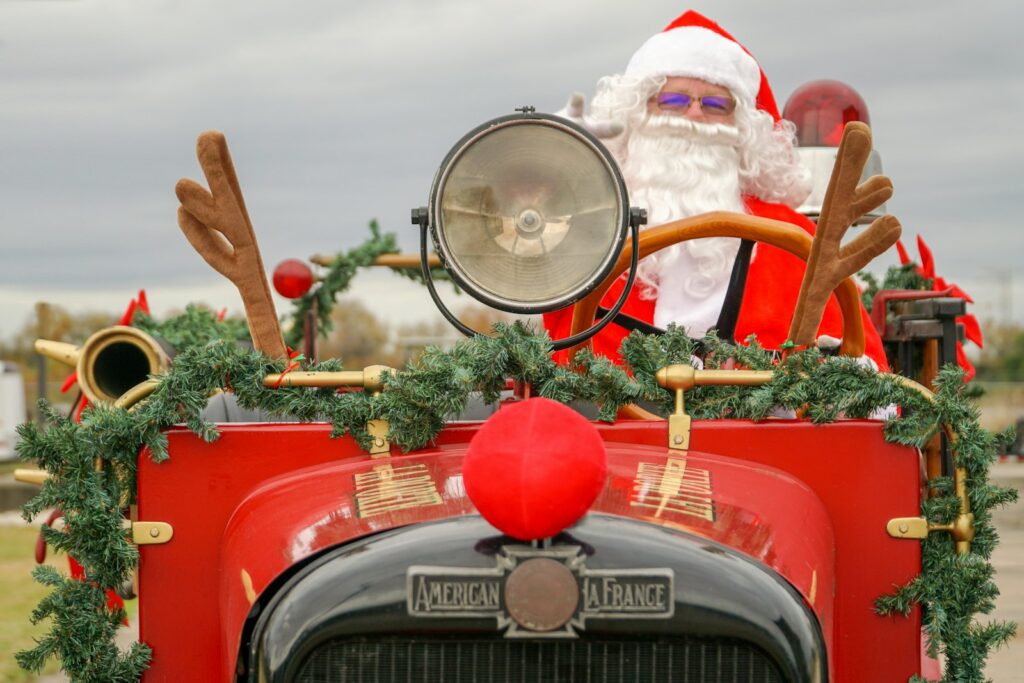
Santa Claus has a story that stretches across several countries and centuries. One of his earliest inspirations was Saint Nicholas, a Christian bishop known for his generosity. Traditions surrounding Saint Nicholas spread through Europe, and Dutch settlers helped bring their version, Sinterklaas, to America.
Over time, the character became the Santa Claus we know today: a jolly fellow who delivers presents on Christmas Eve. A poem published in 1823, ‘A Visit from St. Nicholas’, helped popularize his reindeer and sleigh, while later illustrations gave him an increasingly familiar look.
And no, Coca-Cola didn’t invent Santa’s red suit. The company helped popularize its familiar image through ads in the 1930s, but Santa had been pictured wearing red long before that.
Of course, the biggest mystery remains how he manages to visit so many homes in one night. Perhaps the reindeer are faster than we think. Perhaps the sleigh has excellent navigation. Either way, it’s probably best not to question a delivery service that never seems to lose a present.
Little Traditions
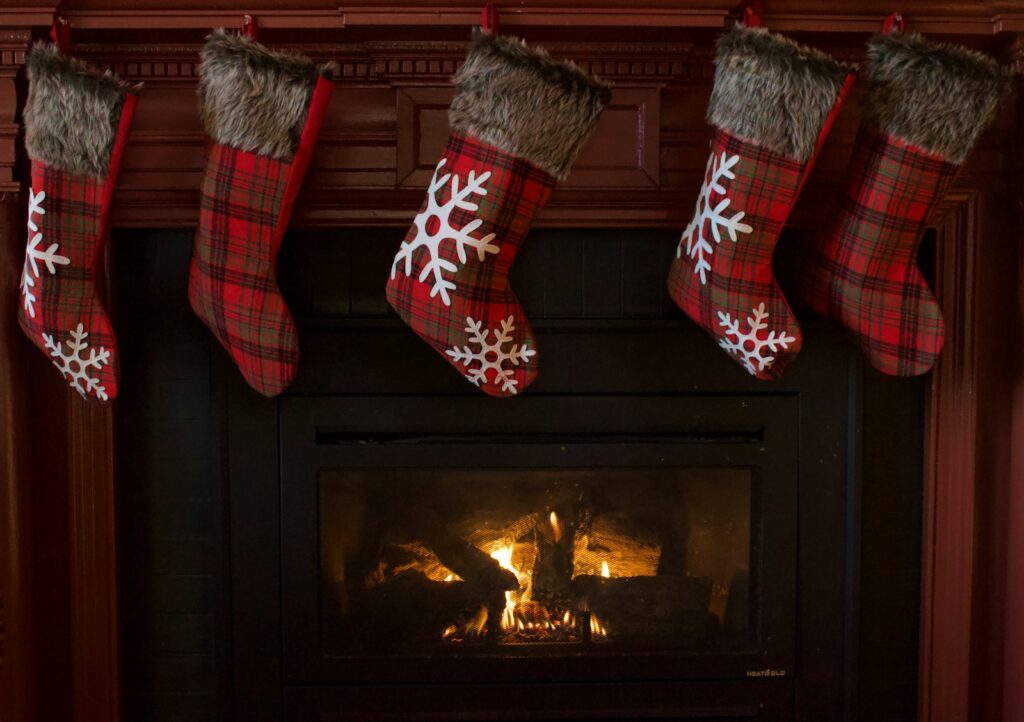
Some Christmas traditions are all about the little details. Hanging stockings is linked to stories about Saint Nicholas secretly leaving gifts for people in need. Over time, the custom evolved into the familiar Christmas Eve ritual of hoping for a stocking full of treats.
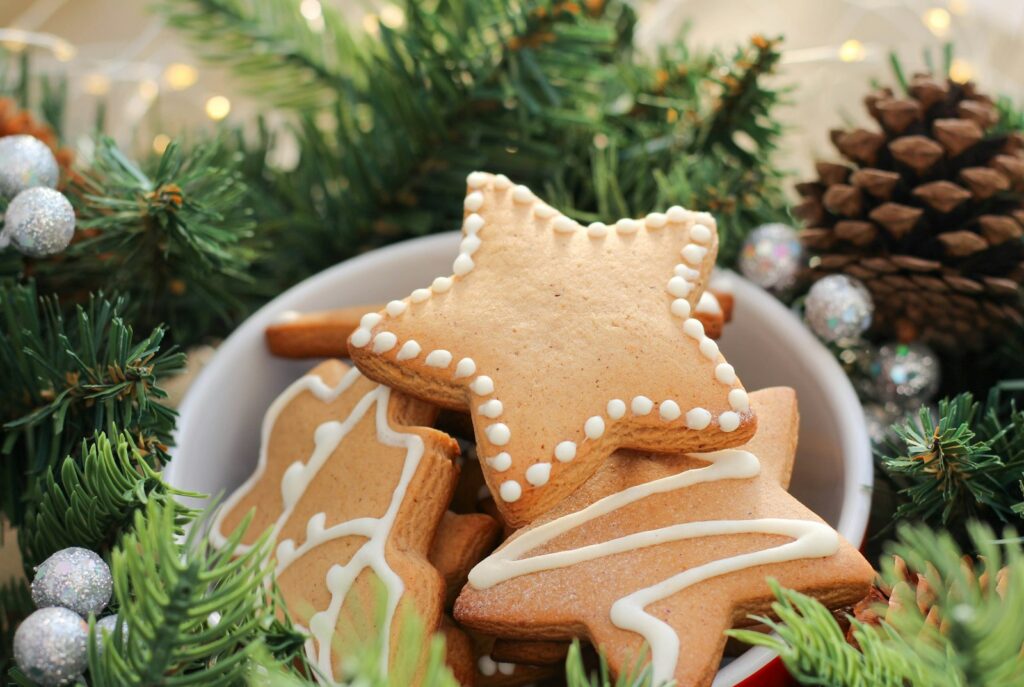
Leaving cookies and milk for Santa is another much-loved American tradition. It’s a nice way for children to get involved, although Santa must have an extraordinary appetite after visiting millions of homes. The reindeer get a little something, too, with carrots often left out for them.
And then there are Christmas crackers, a festive favourite in Britain. They contain a paper hat, a small gift and a joke that is usually terrible enough to make everyone groan. They’re not quite as common in American celebrations, but perhaps that’s a missed opportunity. After all, nothing brings a family together quite like arguing over who gets to wear the biggest paper crown.
Christmas Today
Modern Christmas is a wonderful mix of old traditions and new ideas. Families decorate their homes, exchange gifts, cook favourite meals and find their own ways to celebrate. Some attend church, others gather for a big dinner, and plenty make time for films, music and a little festive baking.
The traditions may have changed over the years, but the best parts of Christmas remain familiar: spending time with people you care about, sharing a little generosity and making memories together.
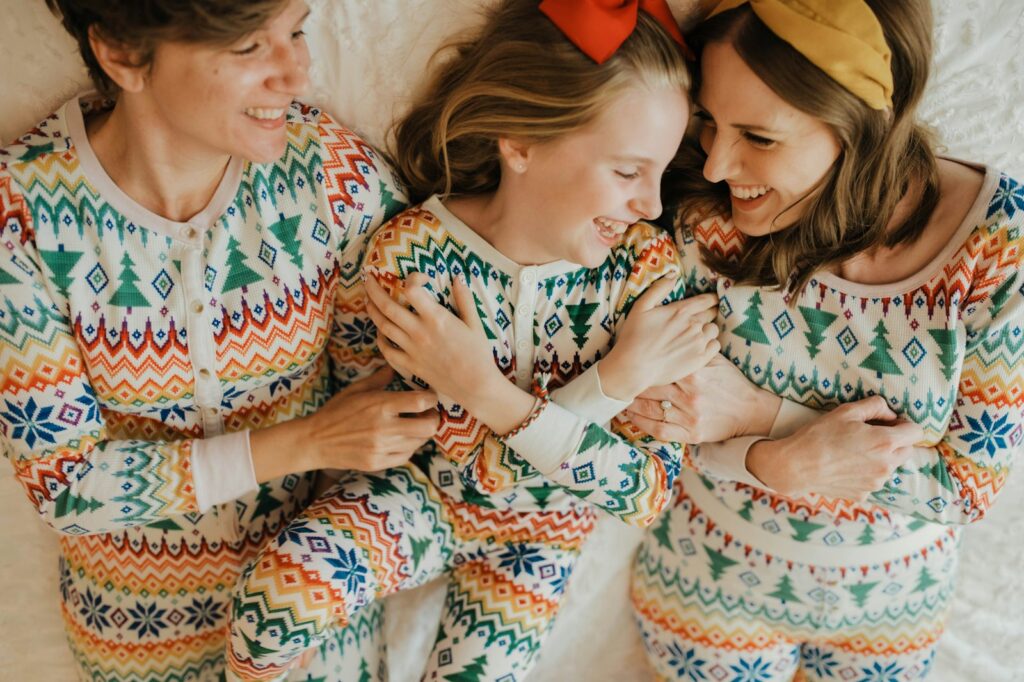
And if that means a perfectly decorated tree, matching pyjamas, an overambitious dinner or a slightly wonky gingerbread house, so much the better. Christmas doesn’t have to be perfect to be special. Sometimes all it takes is good company, a few twinkling lights and one more cookie before bed.
Fast delivery from US warehouses.
Pay safely with all major credit cards.
Not happy? Contact us within 30 days.